Morocco: Beyond Fear, Into Storytelling and Cultural Connection
When I first told people I was traveling to Morocco, I was met with a mix of excitement and concern. “Is it safe?” “Be careful.” “Don’t go alone.” These warnings echoed the common misconceptions that Morocco is a dangerous, chaotic place—especially for outsiders. The reality, as I quickly learned, is far more nuanced.
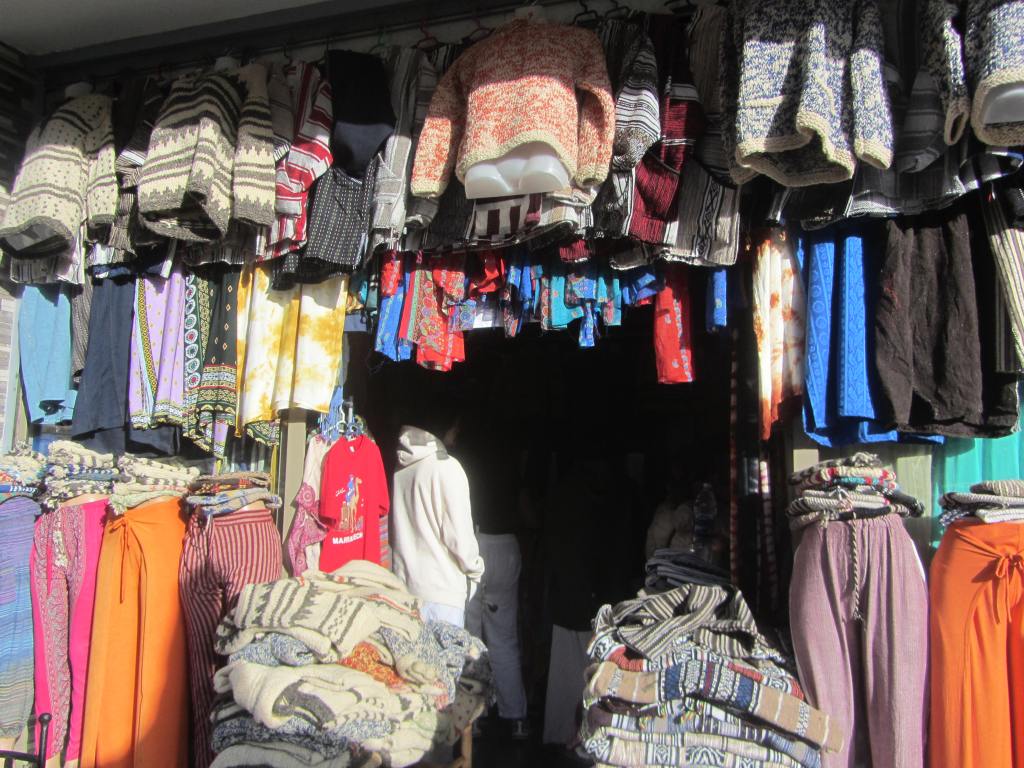
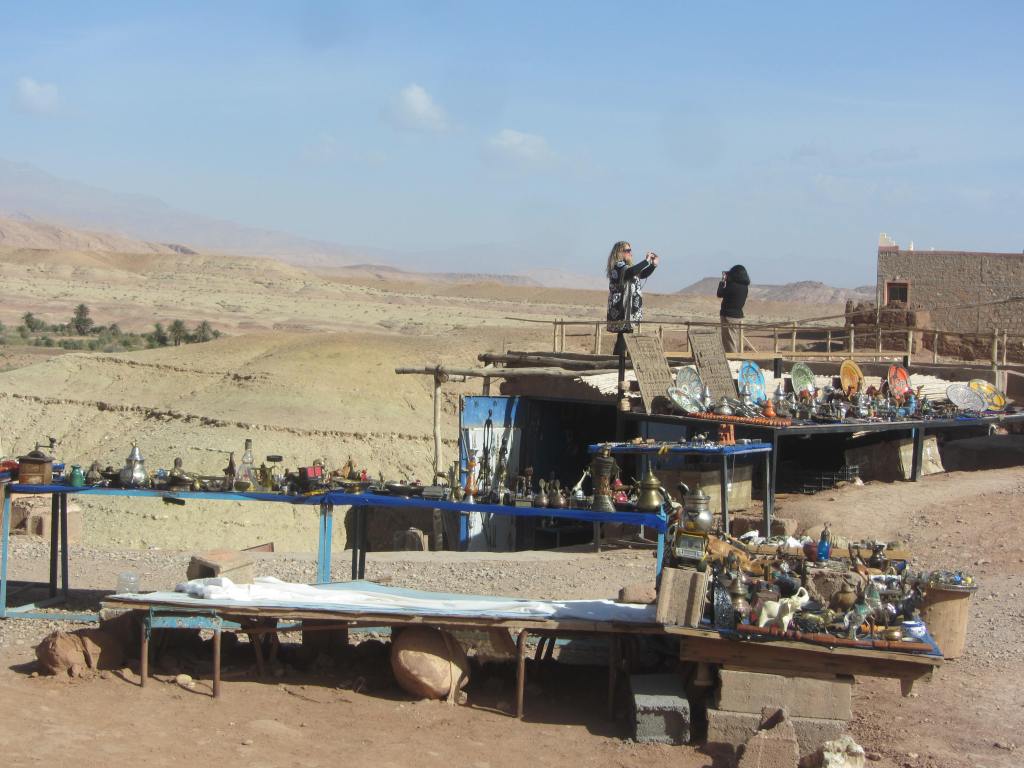
Yes, Morocco can feel overwhelming at first. The labyrinthine streets of Marrakech’s medina can swallow you whole if you don’t know your way around. The souks are a sensory overload of shouting vendors, bargaining, and motorbikes whizzing by at alarming speeds. The cultural norms are different—stricter in some ways, unfamiliar in others. As a foreigner, especially one who doesn’t fit neatly into traditional gender roles, I felt hyper-aware of my presence in certain spaces.
But the truth is, Morocco is not inherently dangerous—it is misunderstood. The moments of discomfort I experienced were not from actual threats but from my own unfamiliarity with the environment. Once I moved past my initial fears, I saw Morocco for what it truly is: a place of warmth, hospitality, and deep cultural richness.
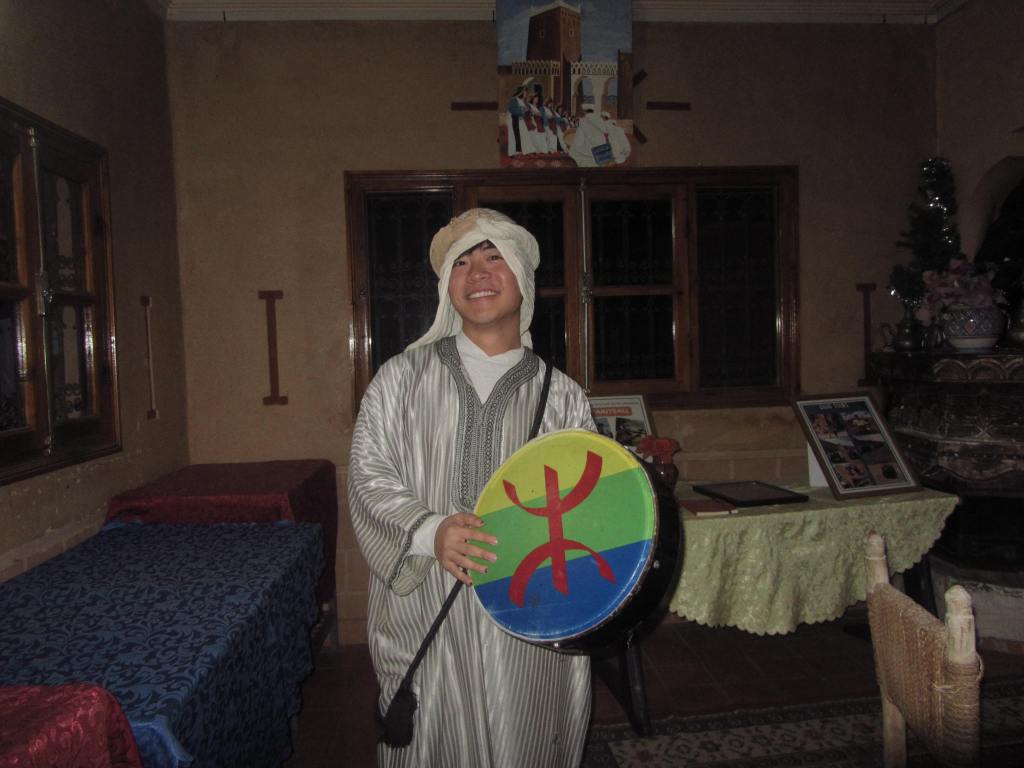
The people I met along the way, especially the Berber (Amazigh) communities, helped reshape my understanding of the country. The Berbers are the indigenous people of North Africa, with a history stretching back thousands of years. They have survived colonization, cultural erasure, and political marginalization, yet their traditions remain vibrant. Their way of life is built on community, storytelling, and a profound respect for the land.
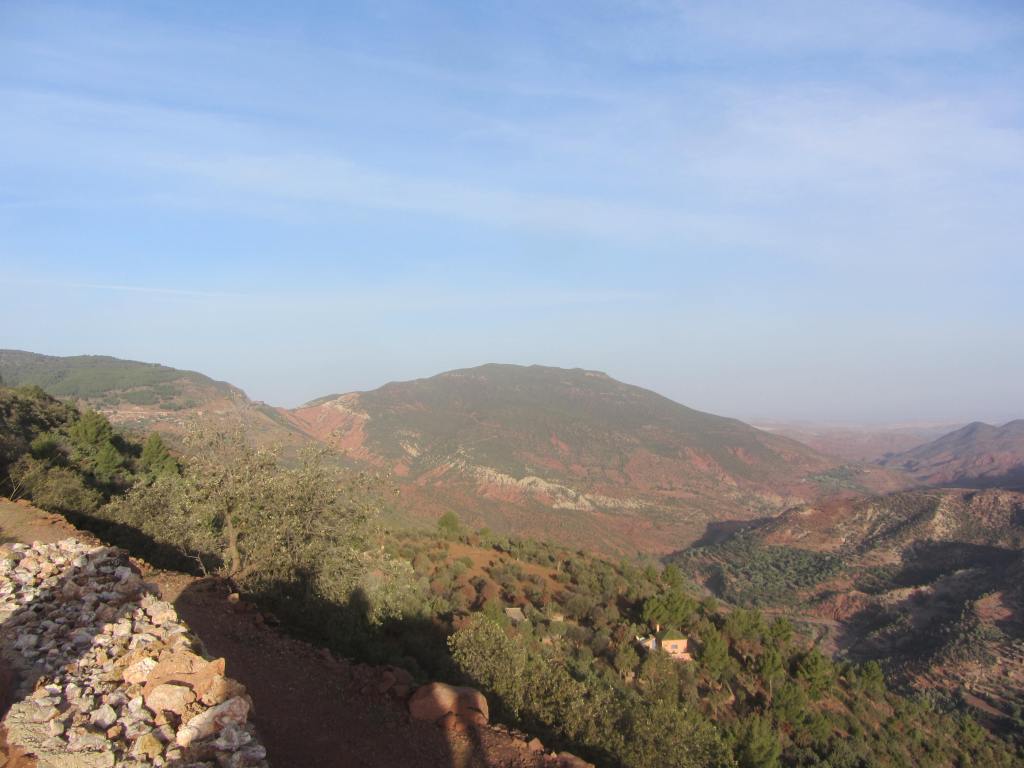
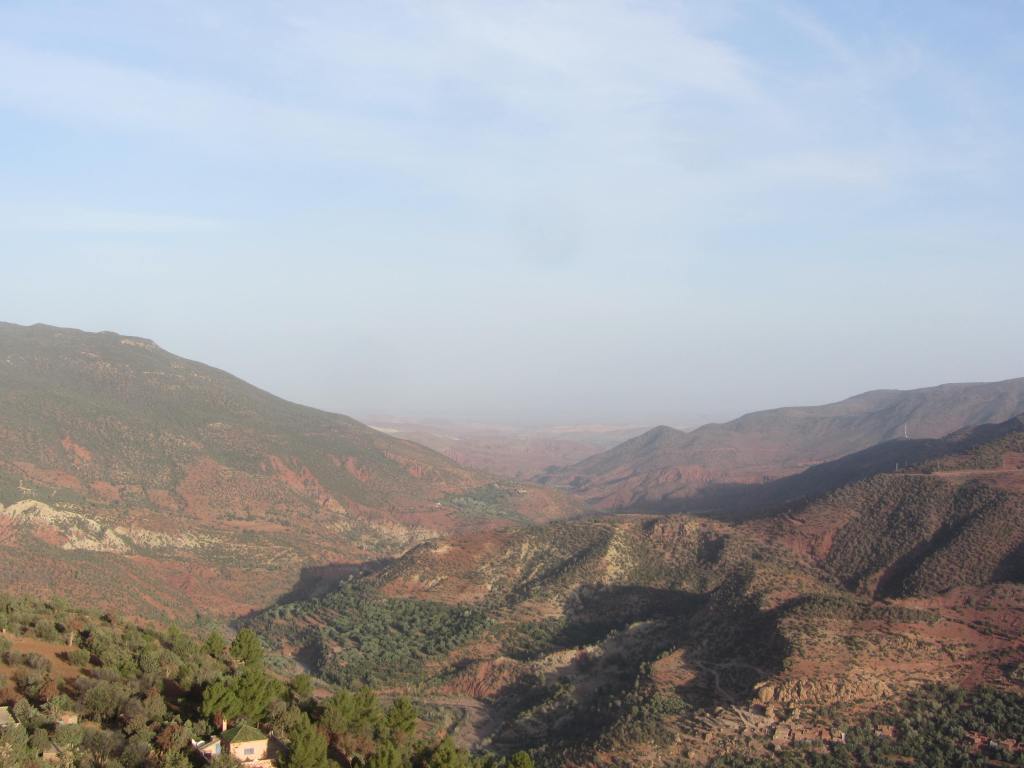
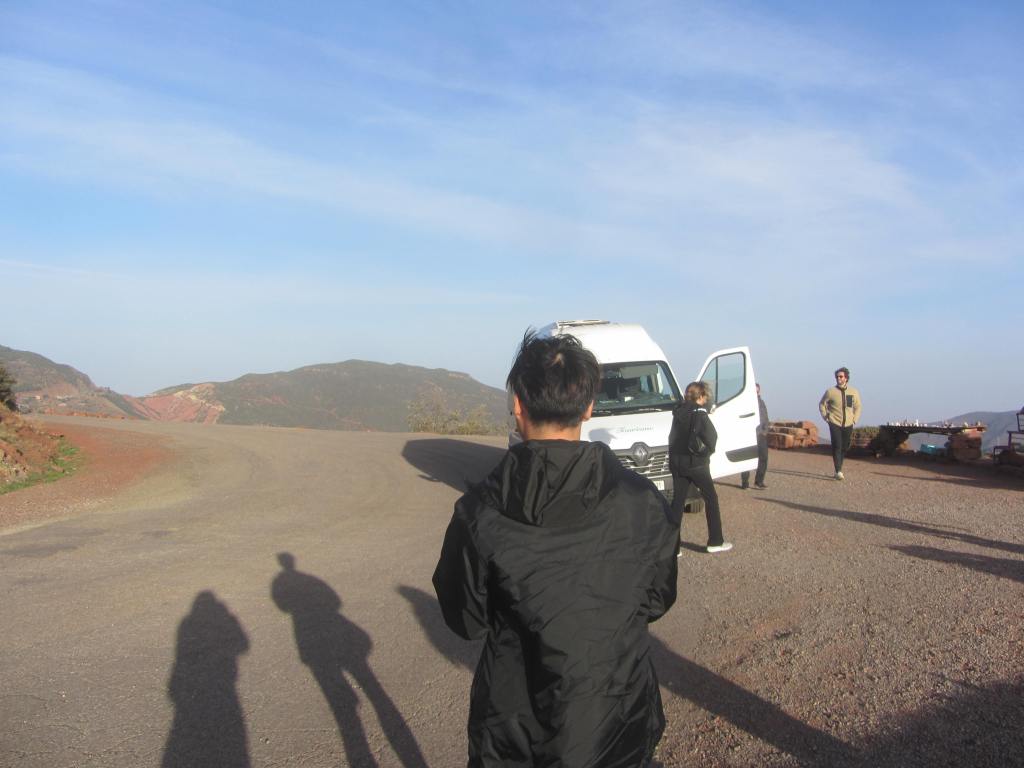
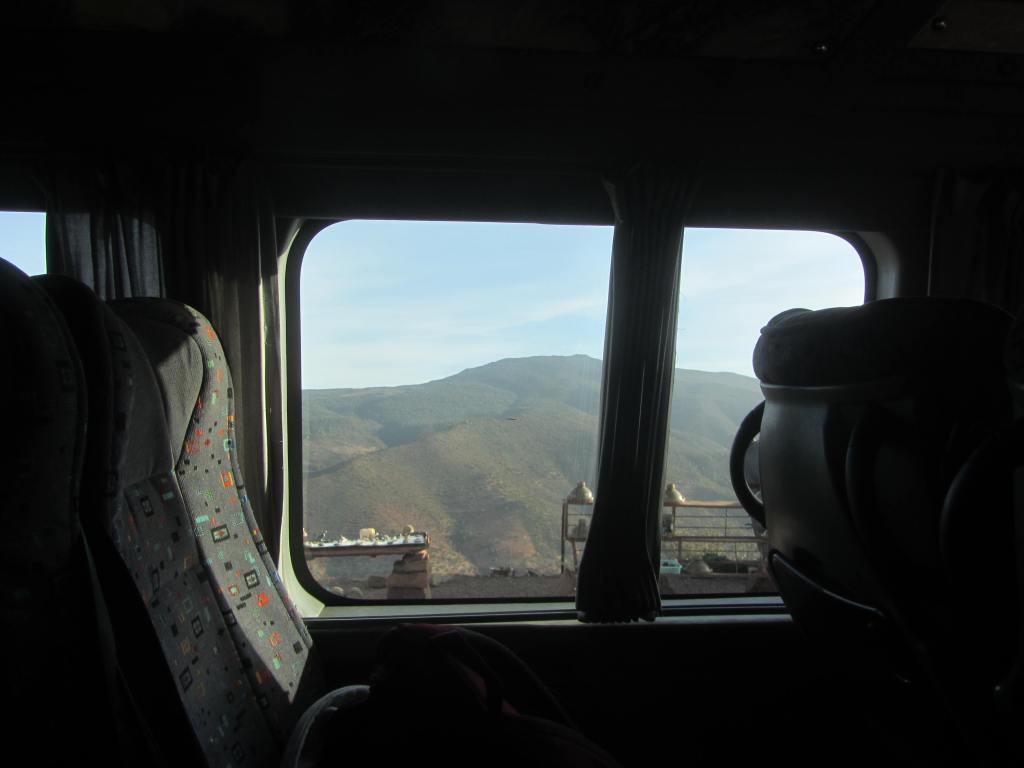
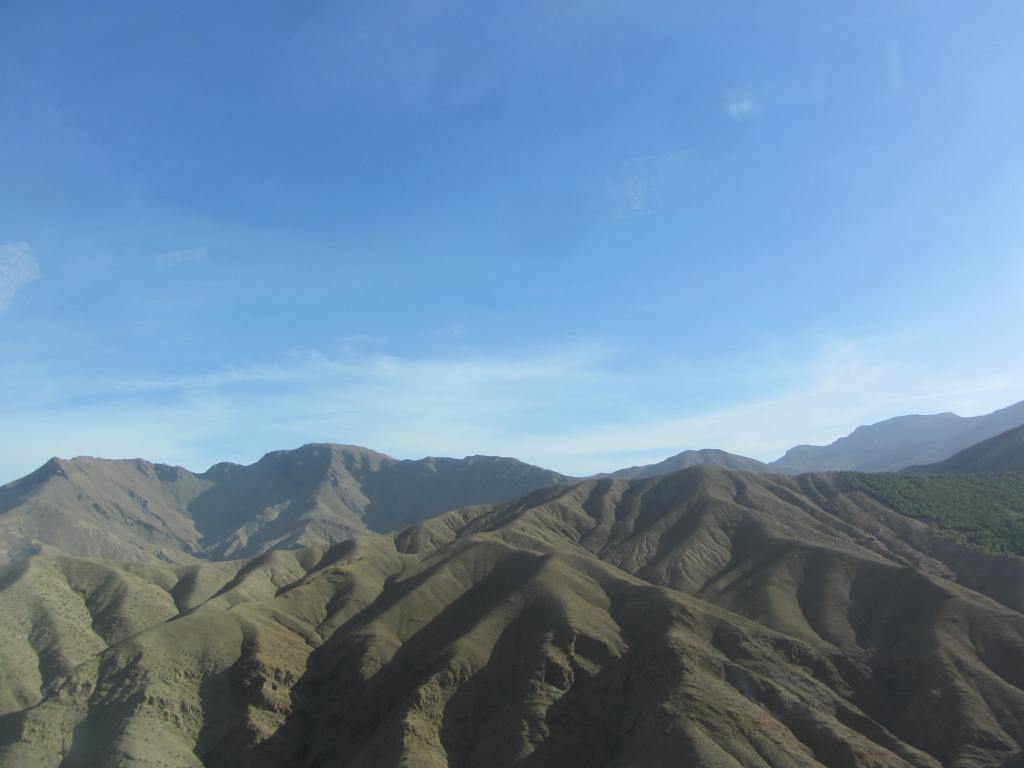
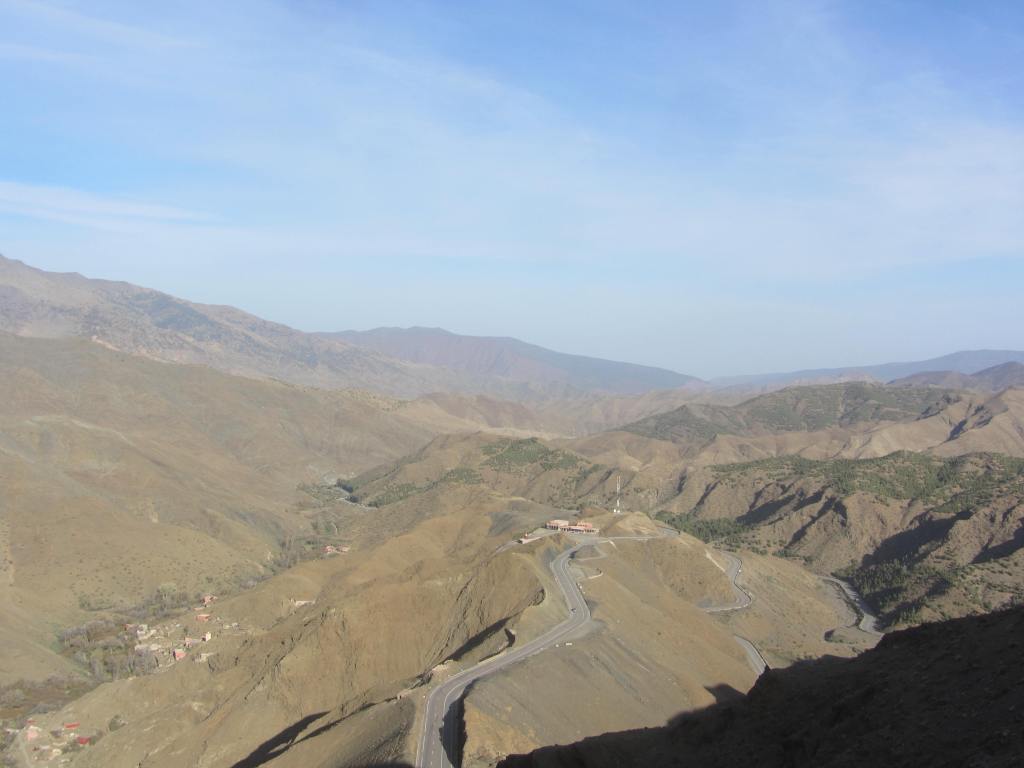
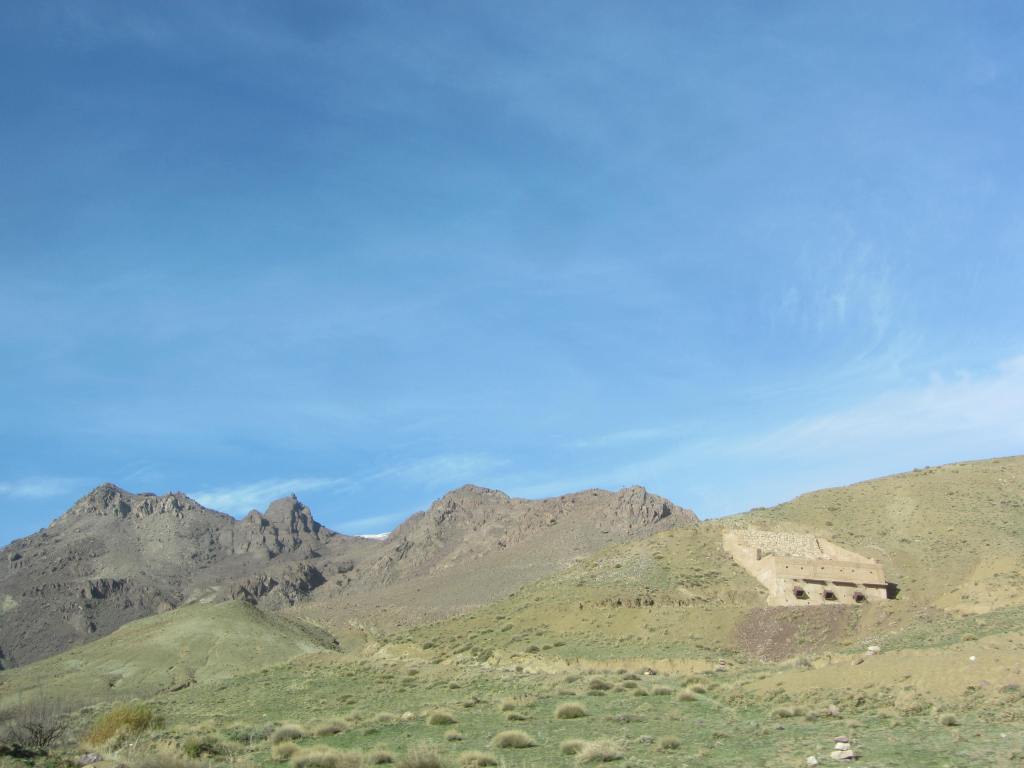
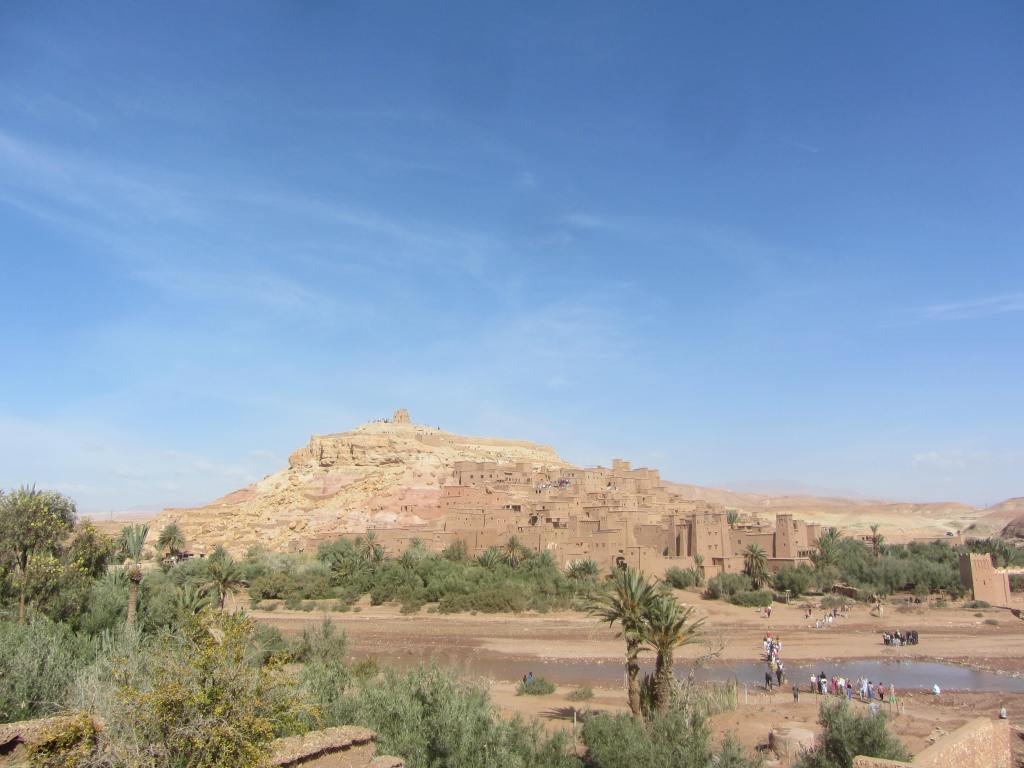
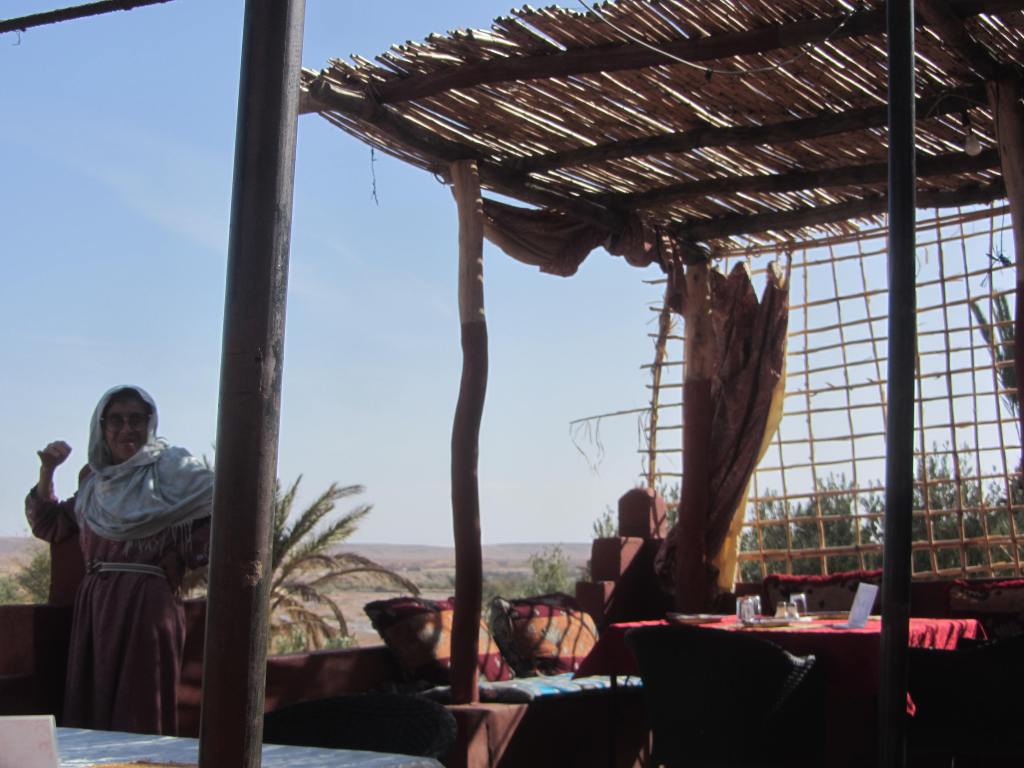
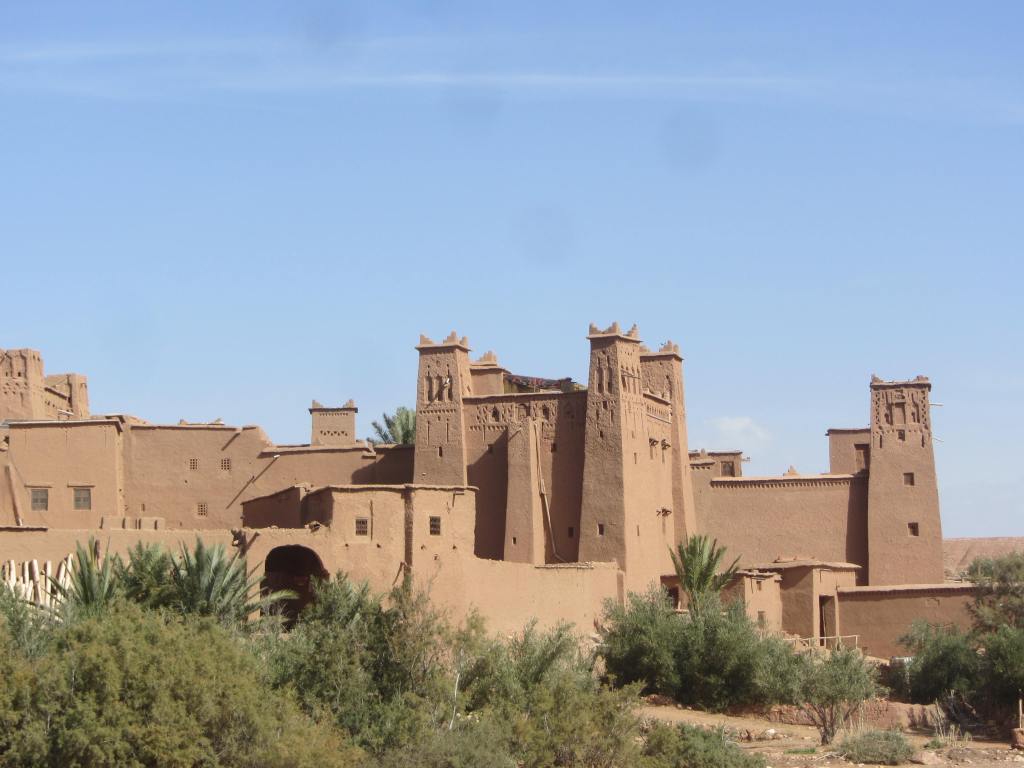
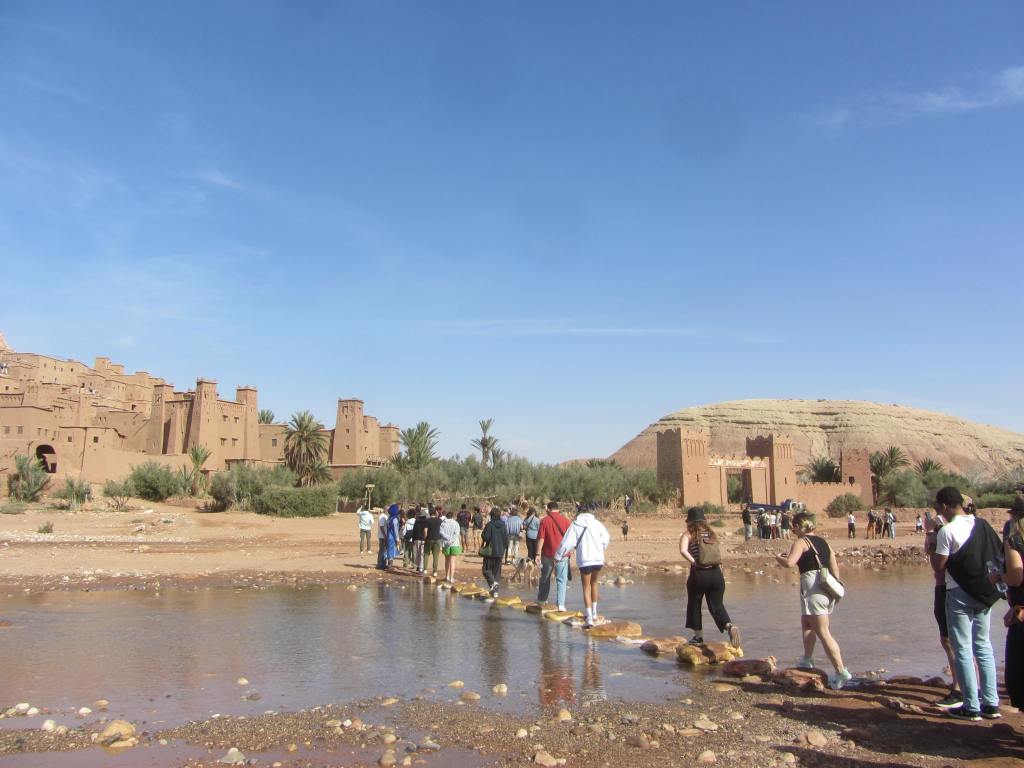
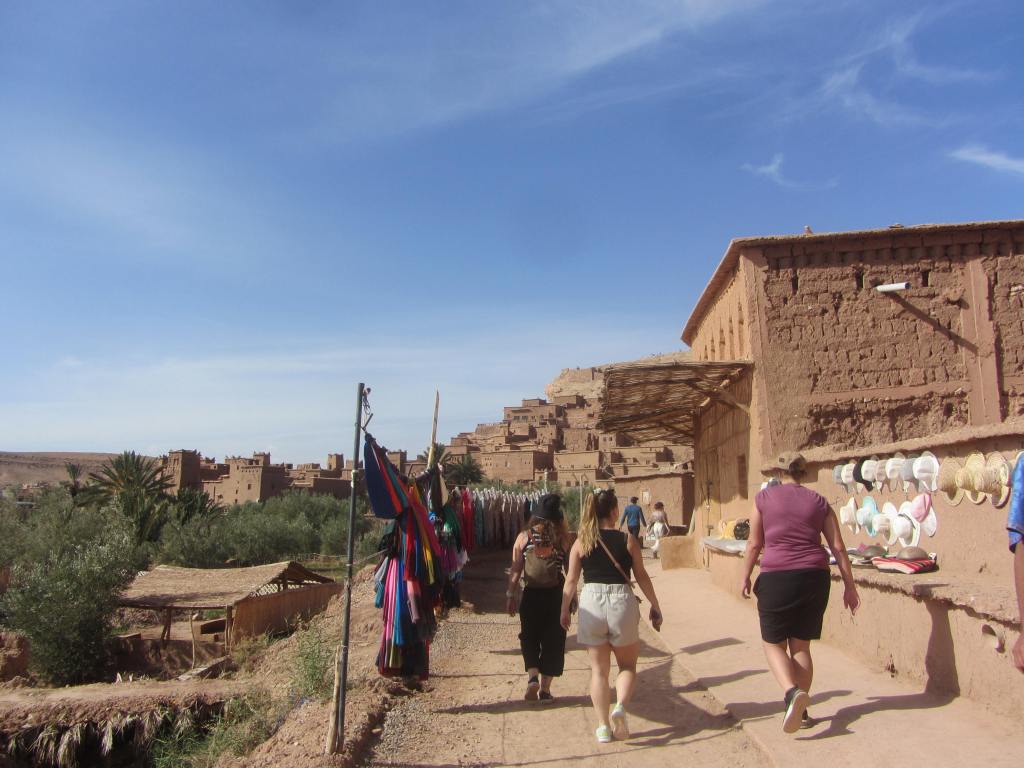
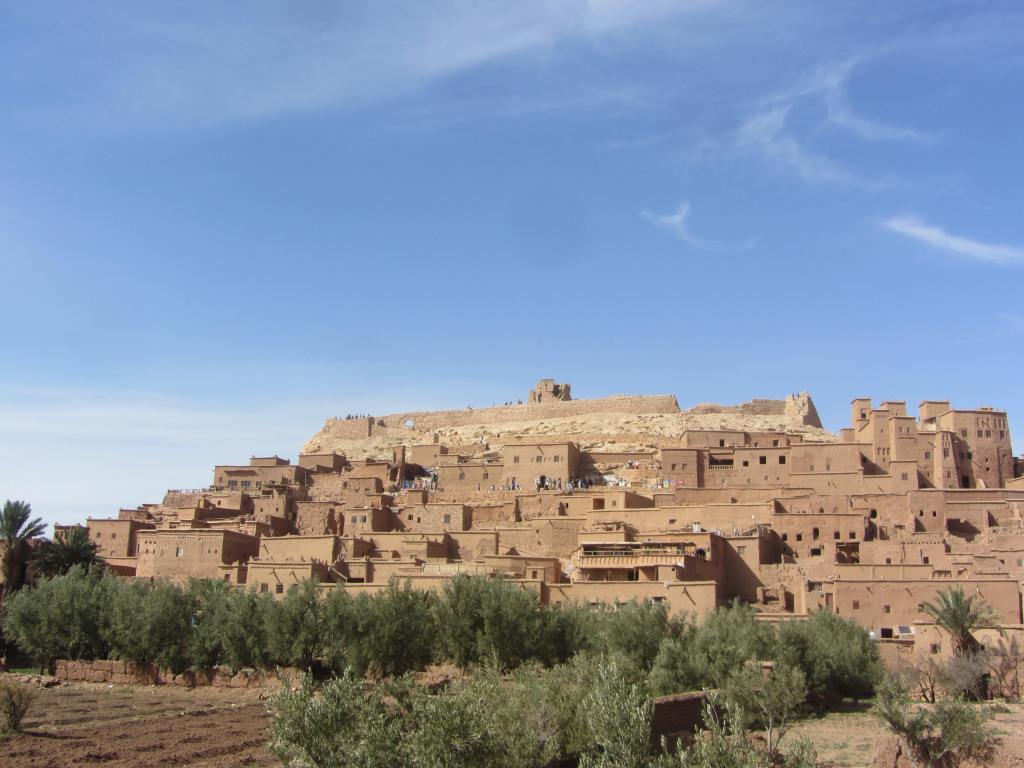
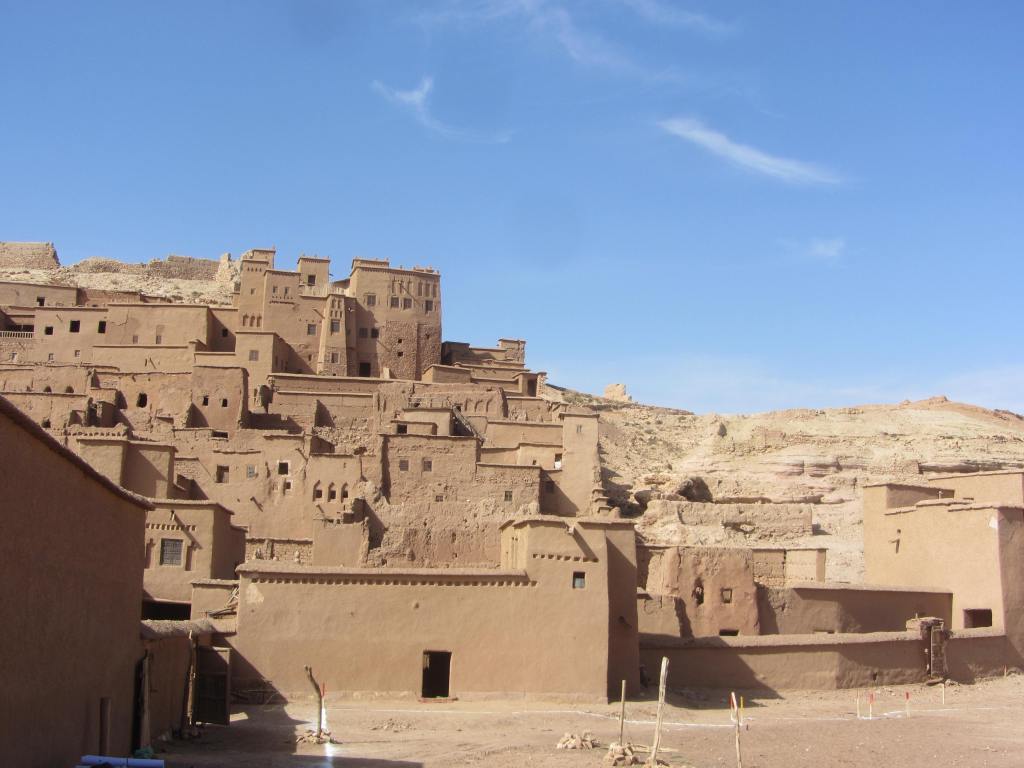
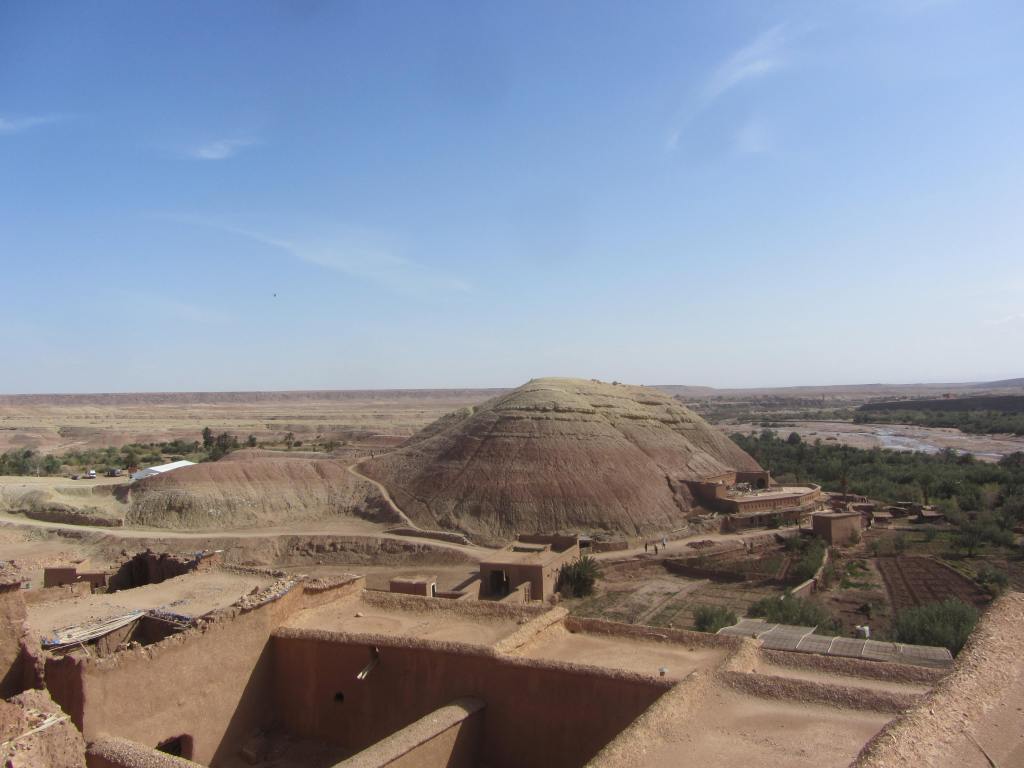
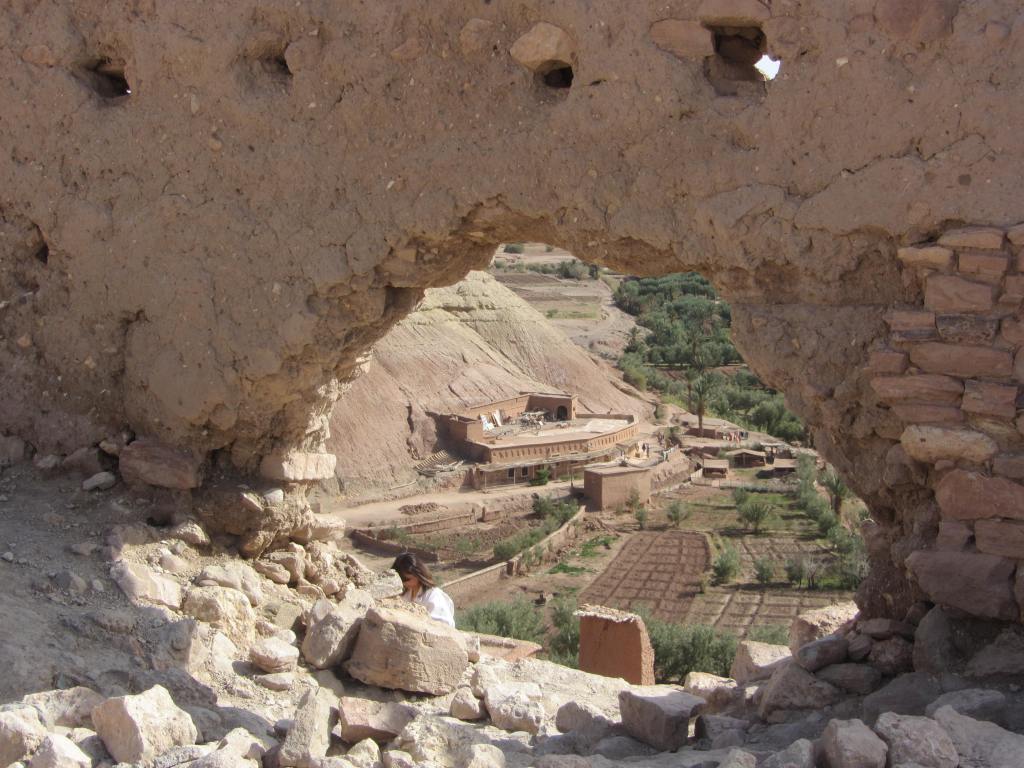
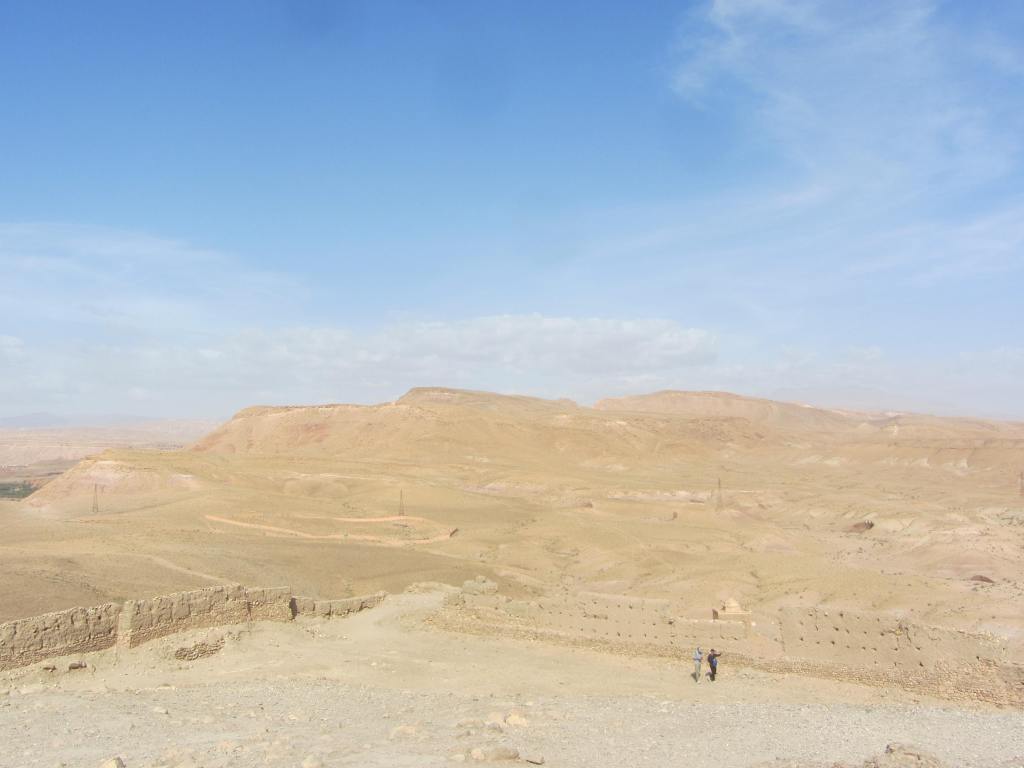
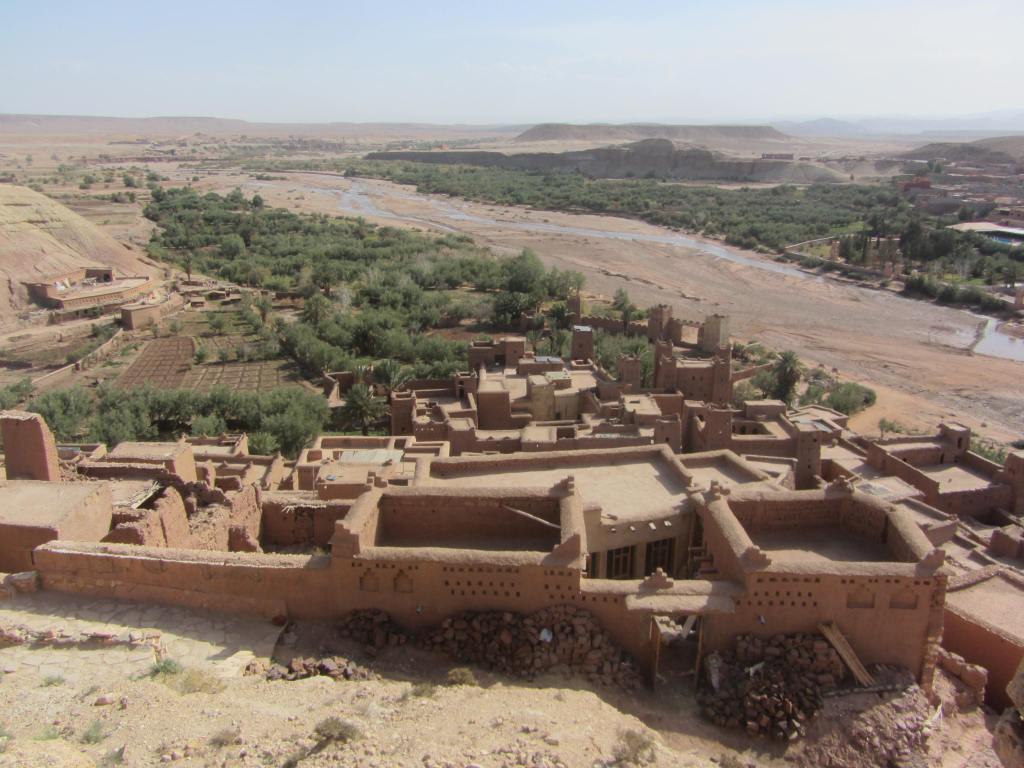
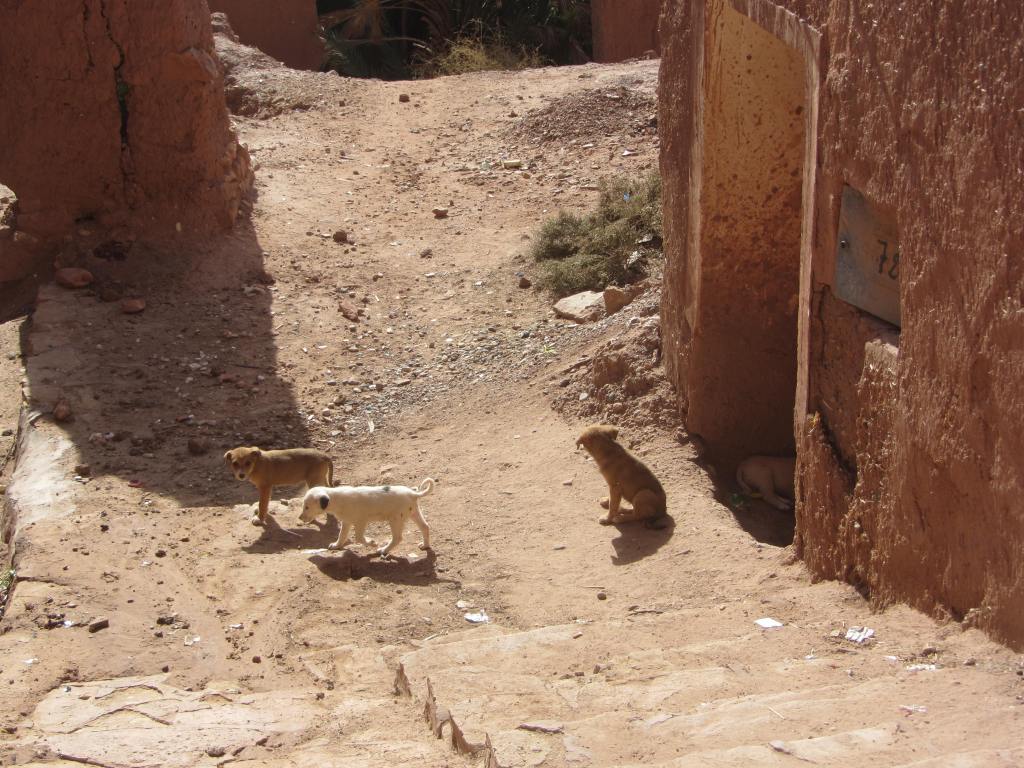
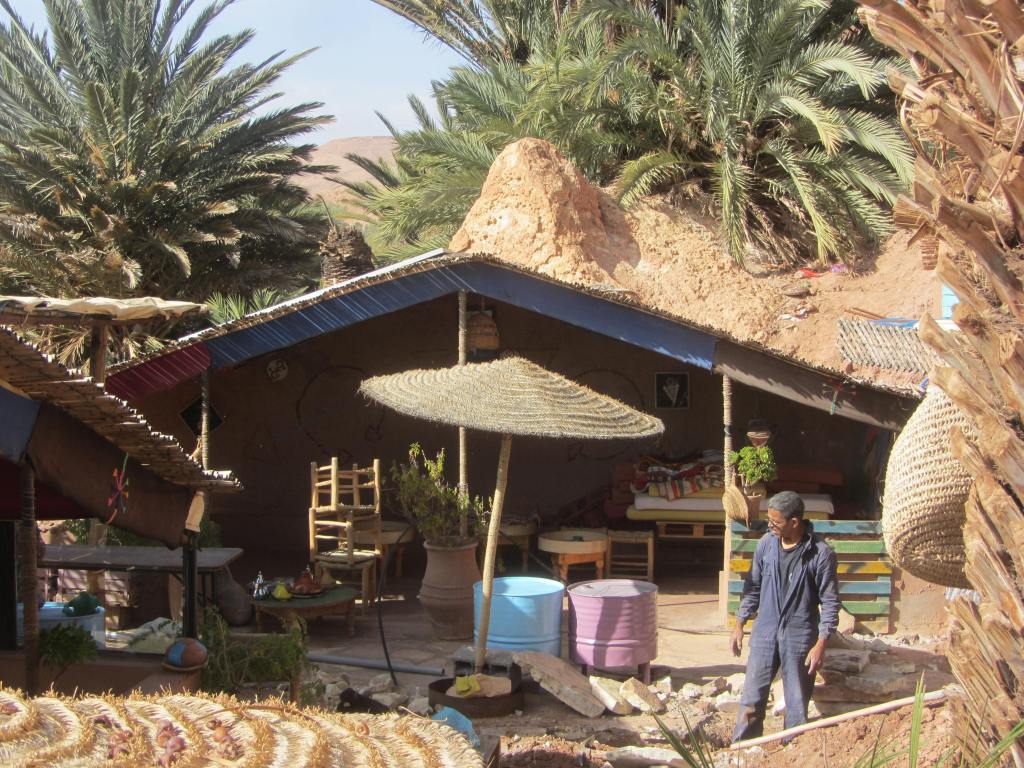
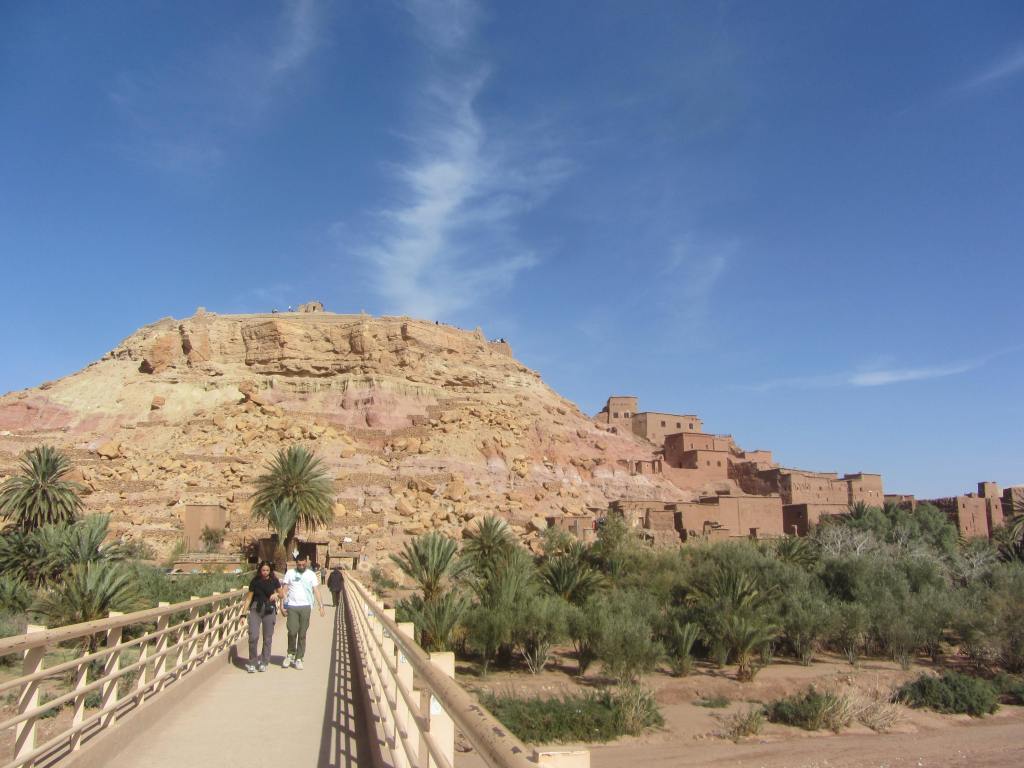
My journey took me beyond the cities, into the heart of Berber villages in the Atlas Mountains and the vast expanse of the Sahara. Here, I was welcomed in ways I never expected. The generosity was boundless—families invited me into their homes, shared meals, and told me stories of resilience, love, and survival.
One of the most unforgettable experiences was participating in a mock Berber wedding—not just as a spectator, but as someone immersed in the ritual. This was not just a performance for visitors but a real enactment of ancestral customs, preserved and passed down through generations. From the intricate henna ceremonies meant to bring good fortune, to the rhythmic drumbeats of the bendir, to the chanting of prayers and blessings, it was a deeply spiritual event. The bride, adorned in elaborate jewelry and layers of vibrant fabric, remained veiled in mystery until the moment of unveiling—symbolizing purity, renewal, and unity.
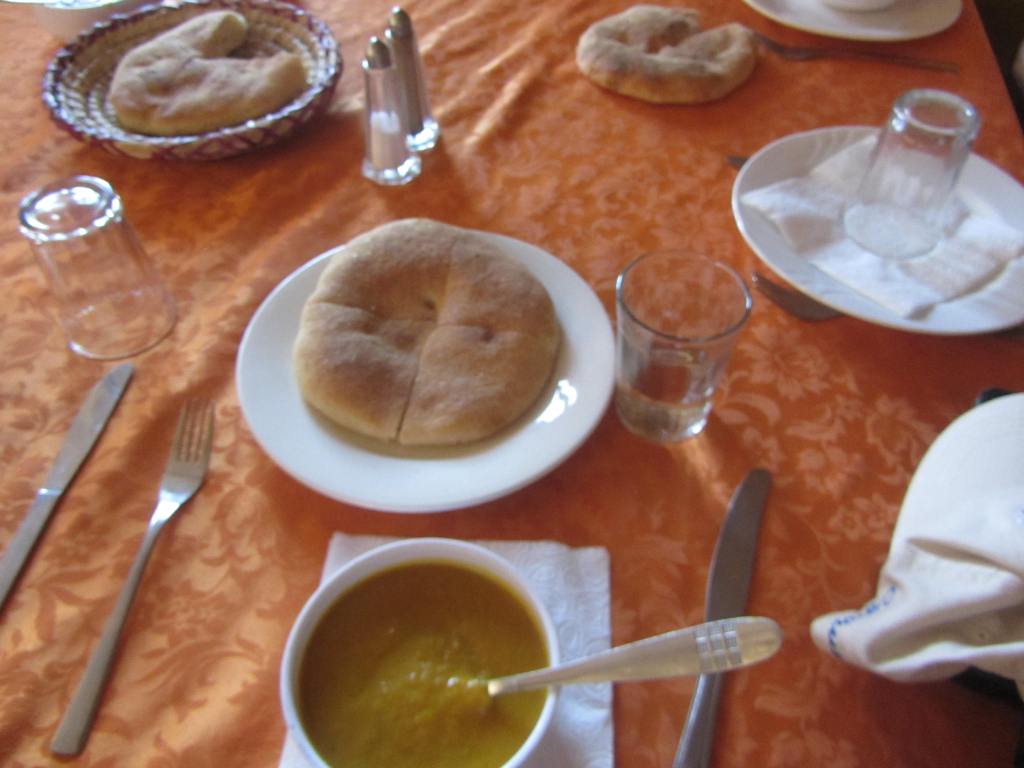
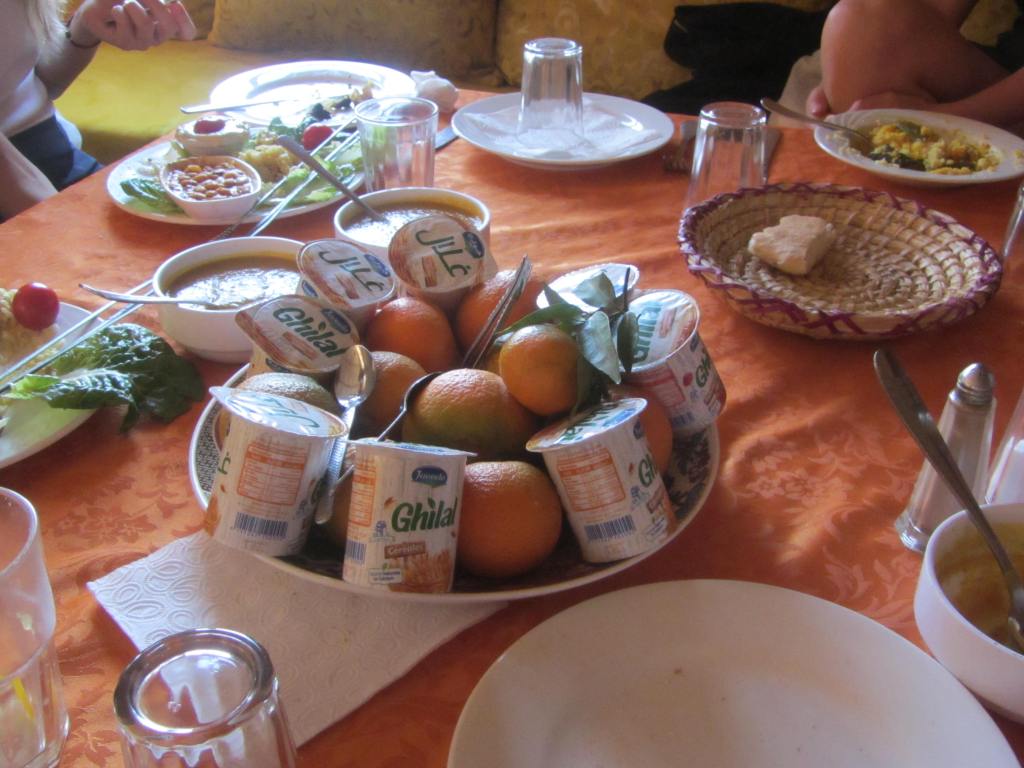
It was here, in the heart of these traditions, that I saw the real Morocco. A country of contradictions—modern yet ancient, bustling yet serene, chaotic yet deeply spiritual. A country where generosity is a cultural cornerstone, where strangers become family over a shared meal of tajine and mint tea, and where stories are passed down not just through words, but through song, dance, and ritual.
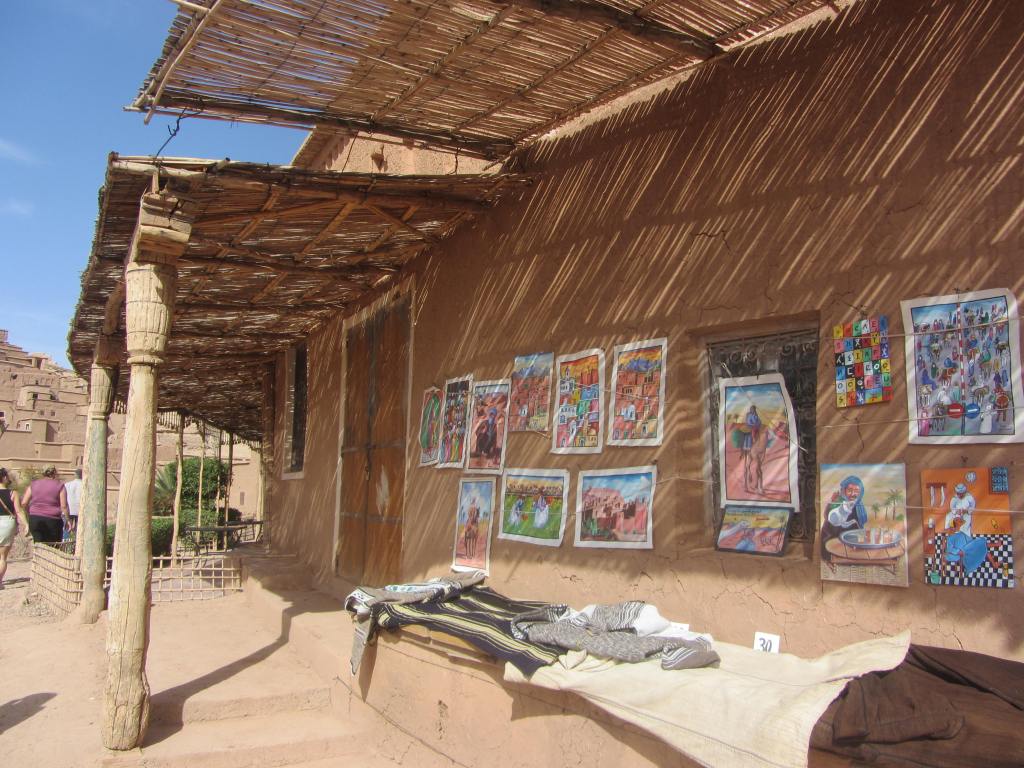
My camera became my bridge between my experience and the world beyond. Through photography, I captured not just landscapes, but the human spirit—the wisdom in an elder’s eyes, the joy of a child running through the souk, the hands of artisans shaping centuries-old crafts. I realized that Morocco’s greatest beauty is not in its architecture or landscapes, but in its people and their stories.
Yes, Morocco is a place that challenges you. But it is not a place to be feared. It is a place to be experienced, respected, and understood. And once you move past the misconceptions, you see Morocco for what it truly is—a country of profound hospitality, rich history, and enduring cultural strength.
 Xandro Xu
Leave a comment