





Deep Listening: A Journey Through Australia’s Music and Indigenous Wisdom
In the spring of 2024, I had the opportunity to travel to Australia to explore the ways in which music and deep listening shape cultural identity, storytelling, and our connection to the world. What began as a study of music quickly transformed into something much larger—an experience that bridged disciplines, histories, and ways of knowing.
Sydney: A Global Music Hub
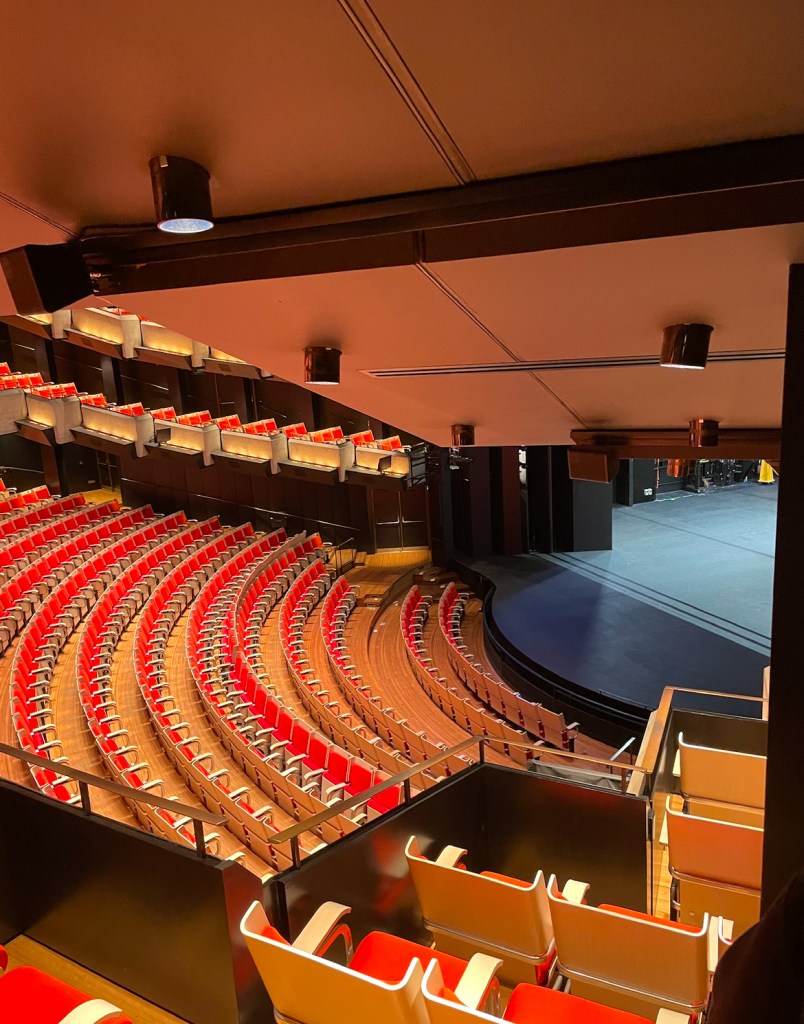
My journey started in Sydney, a city that pulses with artistic energy. From the iconic Sydney Opera House, a global symbol of music and performance, to the intimate music venues scattered throughout the city, Sydney felt like a place where creativity was constantly in motion. I attended performances that spanned classical compositions to contemporary fusions of electronic and Indigenous sounds, each carrying its own cultural and historical weight.
But what struck me most wasn’t just the performances—it was the way the city itself seemed to listen. Sydney, as a modern metropolis, still carries the echoes of its colonial past, and yet, Indigenous voices are reclaiming their space in the arts, infusing traditional stories with new mediums. The music scene here wasn’t just about entertainment; it was about resilience, storytelling, and a reflection of Australia’s evolving cultural identity.
Northern Territory: The Heart of Deep Listening
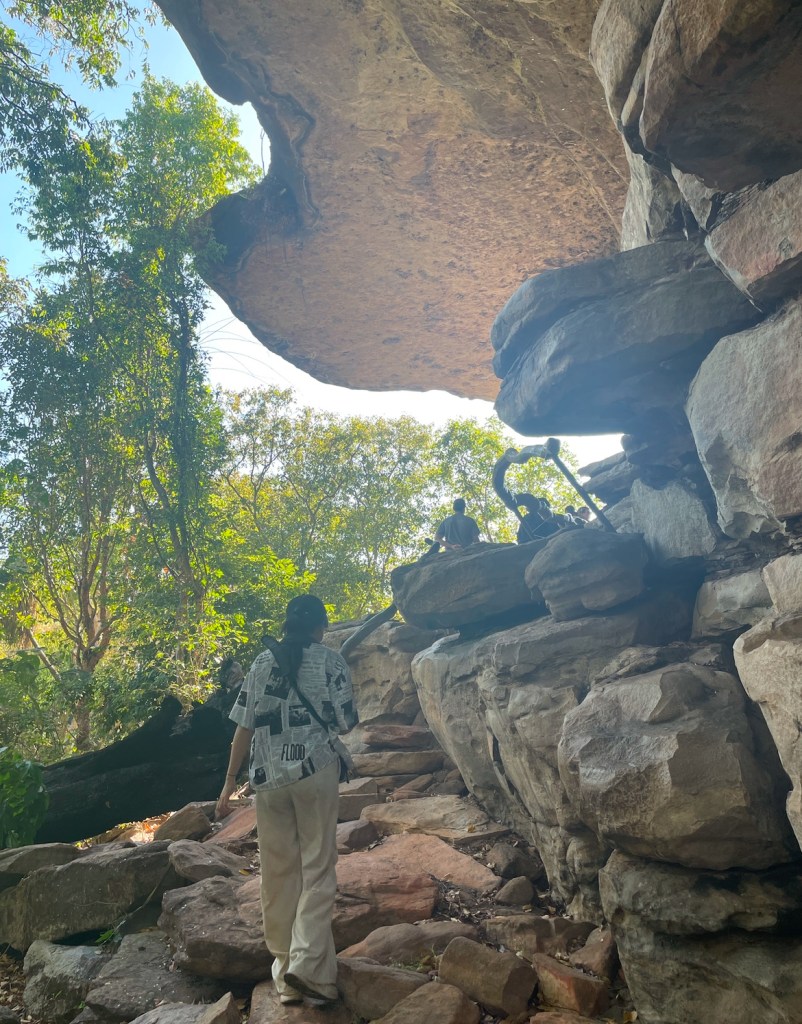
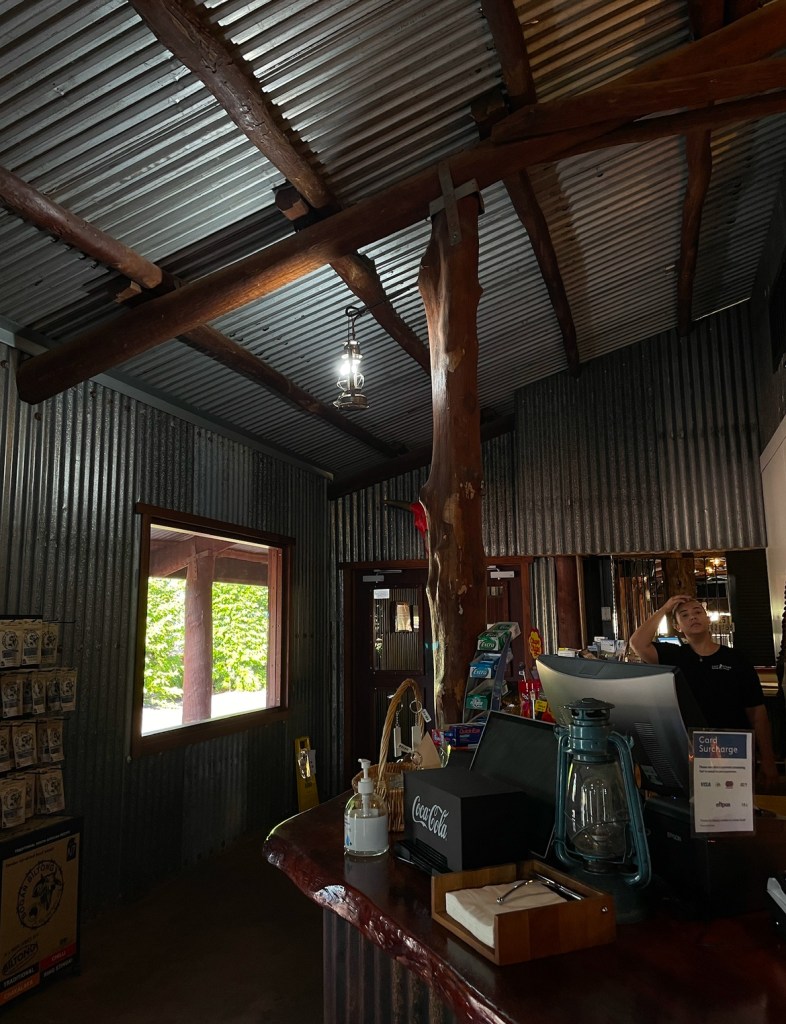
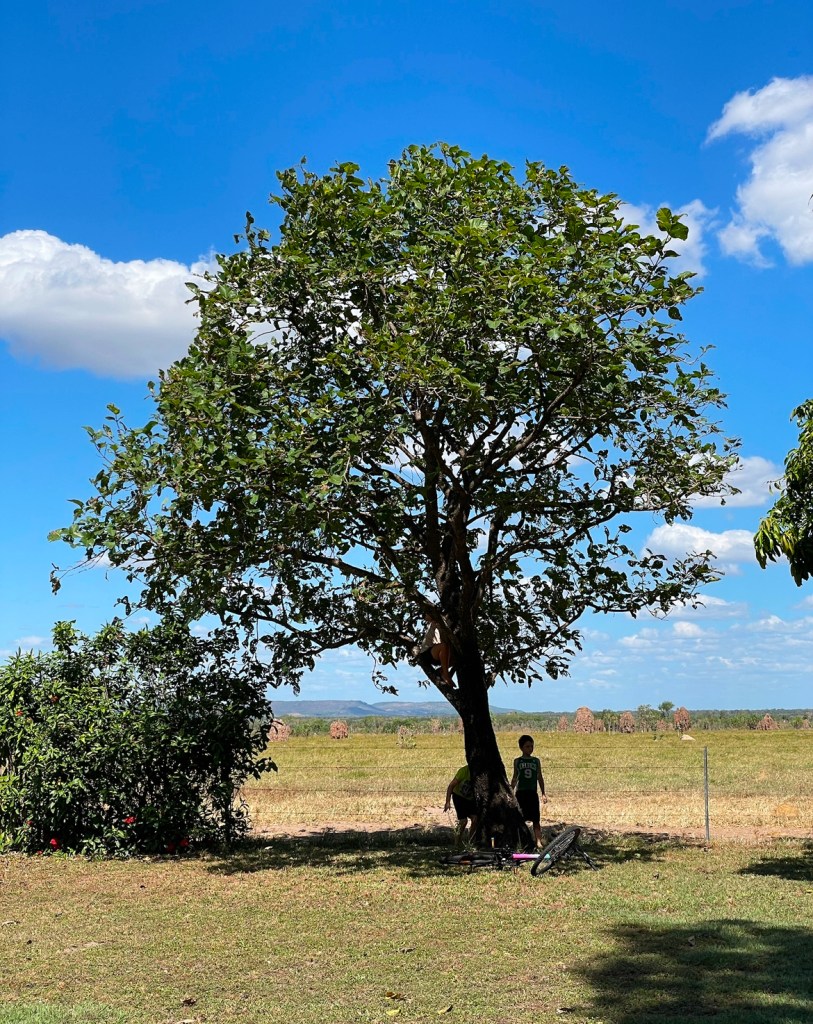
From Sydney, I traveled to the Northern Territory, a place that offered an entirely different rhythm—one shaped not by towering buildings, but by the vastness of the land, the quiet of the desert, and the voices of Australia’s First Nations people.
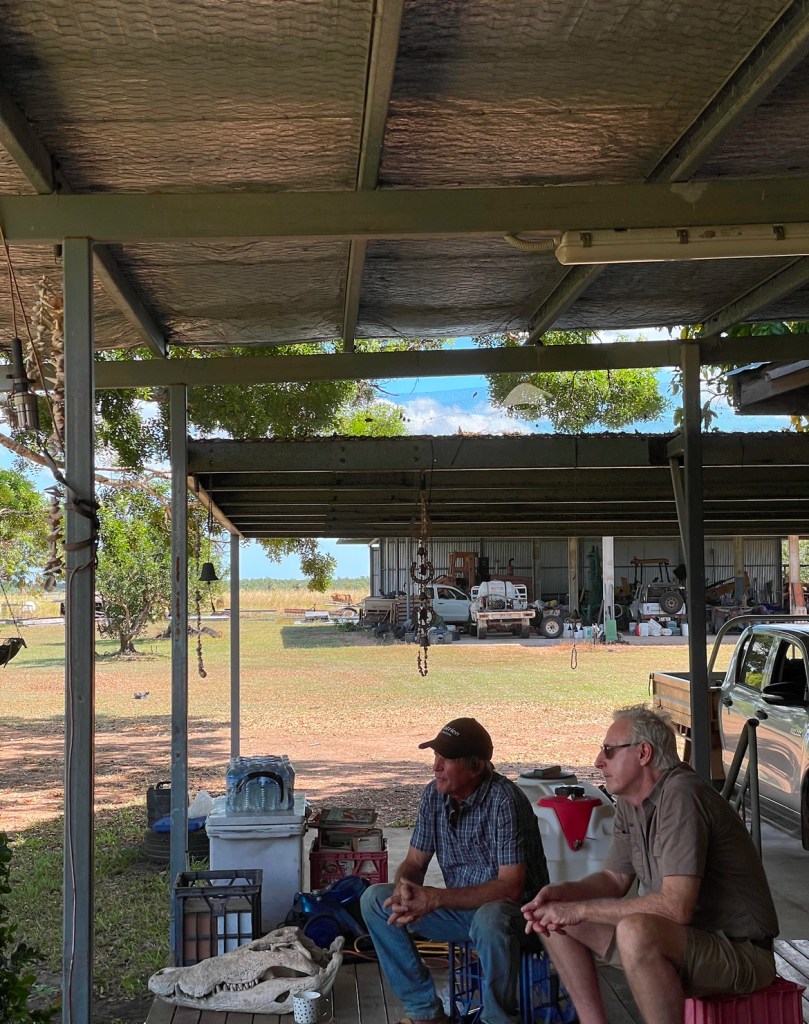
Here, I learned about the Aboriginal people’s fight for their land and their right to preserve their culture—a history of dispossession, resistance, and survival that is still unfolding today. Conversations with community members revealed a deep connection to the land, one that is not just physical but spiritual. Music and storytelling are not simply art forms here; they are acts of remembrance, resistance, and belonging.
One of the most profound experiences of my journey was learning about Dadirri, a concept rooted in deep listening. Unlike Western ideas of listening—often passive or transactional—Dadirri is a way of being present, of absorbing the world with patience and respect, of listening not just with the ears but with the heart and spirit. It is about hearing the land, the stories, the people, and understanding that silence, too, holds meaning.
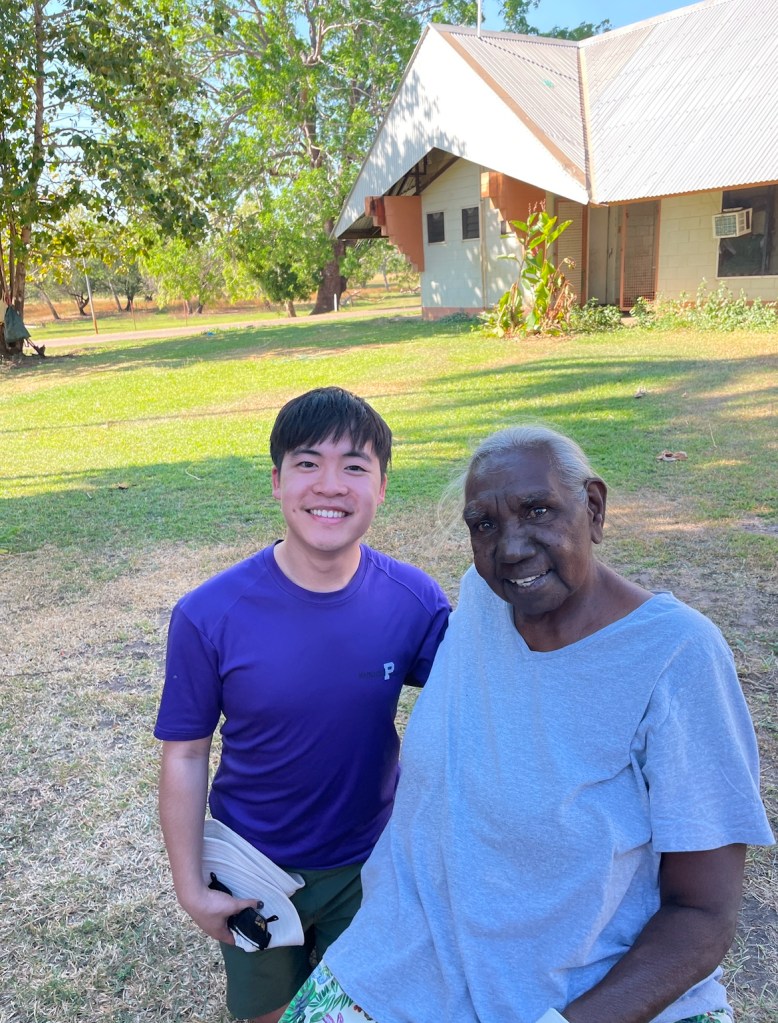
I had the honor of meeting Miriam Rose Ungunmerr-Baumann, an Aboriginal elder, educator, and artist who has been instrumental in teaching Dadirri to both Indigenous and non-Indigenous communities. Sitting with her, I felt the weight of centuries of wisdom distilled into her words. She spoke about the importance of stillness, of allowing the land to speak, of music as a dialogue between people and their environment.
It was a moment that changed the way I see listening—not just in music, but in life.
Takeaways: Beyond Music, Toward Interdisciplinary Understanding
At first, I had approached this trip thinking of it as a way to study global approaches to music. But what I walked away with was something far more interdisciplinary.
- Music is inseparable from history, land, and identity.
- Whether in Sydney’s concert halls or the Northern Territory’s sacred spaces, music wasn’t just sound—it was memory, resistance, and connection. I saw how Indigenous artists are reclaiming their narratives, using music as a medium to preserve language, challenge injustice, and build cultural bridges.
- Listening is an active process, not a passive one.
- In today’s world, we often listen to respond, rather than listen to understand. Dadirri taught me that deep listening is about patience, stillness, and respect. Whether in research, advocacy, or personal relationships, this lesson is invaluable.
- Interdisciplinary learning enriches everything.
- What started as an exploration of music turned into an education in history, environmentalism, spirituality, and activism. This journey reinforced my belief that no subject exists in isolation—everything is interconnected, and to truly understand something, you have to approach it from multiple angles.
Reflections: Carrying These Lessons Forward
Leaving Australia, I felt a deep shift in the way I approach both storytelling and listening. Whether through music, research, photography, or advocacy, I now understand that the most powerful stories are often the ones we take the time to truly hear.
Dadirri is not just an Indigenous practice—it is a way of living, a way of being present with the world around us. And as I move forward in my work, I hope to carry this lesson with me, using it to shape how I listen, how I create, and how I share the voices that need to be heard.
 Xandro Xu